Why Companies Should Prioritize LLMO
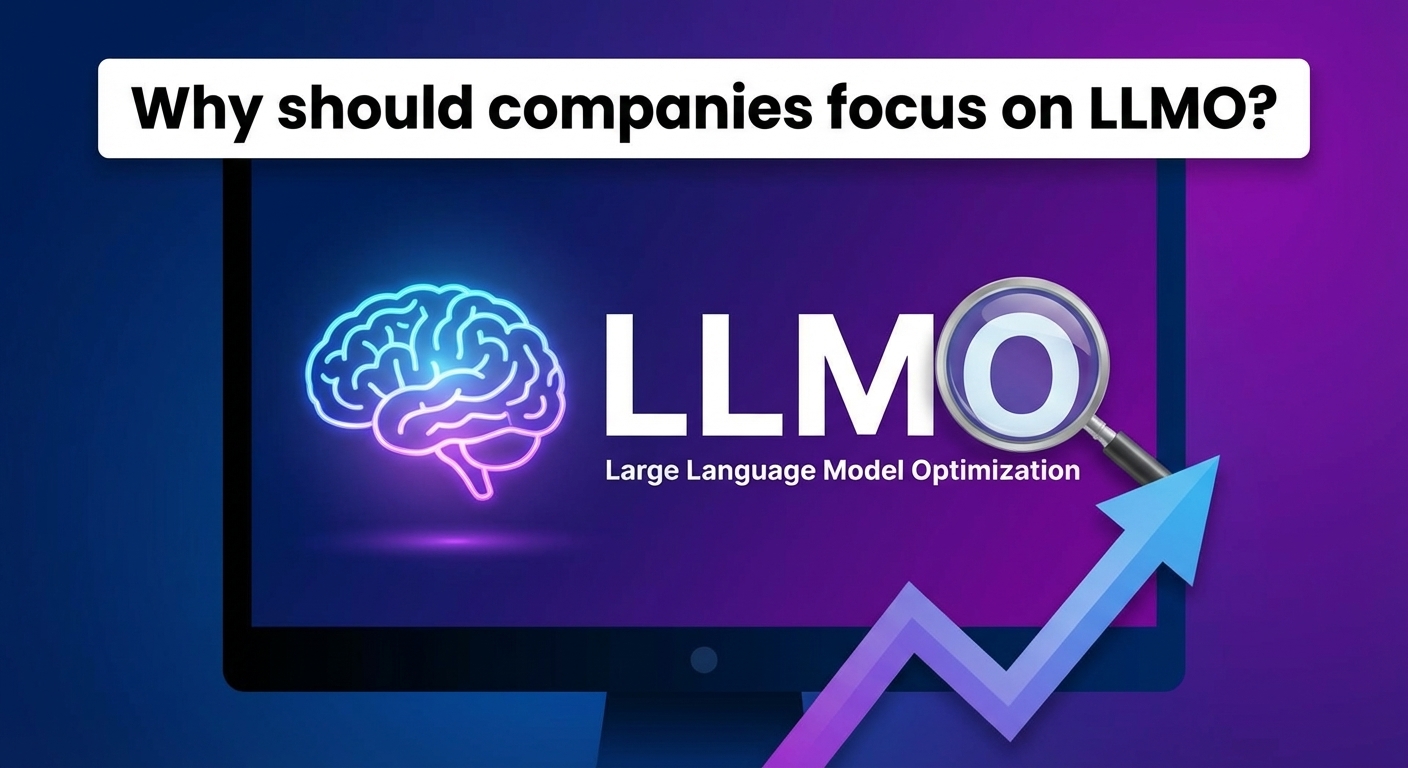
Search is moving from Google results to AI answers. Here is why LLMO (Large Language Model Optimization) matters for brand visibility, citation, and pipeline—and what businesses gain when AI recommends them.
Why should companies prioritize LLMO (Large Language Model Optimization)? The core case is clear: the reasons, upsides, and stakes of LLMO in the AI era. Search behavior is moving from "find a link" to "get an AI answer," so being cited and recommended by an LLM as a trusted source is becoming decisive for brand awareness and demand.
With Google's SGE (Search Generative Experience) and SearchGPT rising, Gartner forecasts traditional search engine volume will drop 25% by 2026. In that landscape, companies must go beyond classic SEO toward AI-SEO—LLMO as framed by platforms such as umoren.ai.
Reason 1: From search engines to AI answers—and why LLMO matters
The first reason to prioritize LLMO is that its role in digital marketing is growing as search itself changes. Classic SEO chased SERP rankings; generative AI search (SGE and peers) answers the question directly. That fuels more zero-click behavior—users finish without opening a site.
umoren.ai's analysis suggests that as AI answers dominate, traffic from informational queries may fall sharply over the next few years. To keep capturing value, companies need content recognized correctly in AI pipelines and cited as a source in answers—so they need to invest in LLMO.
- Gartner forecast: search engine volume down 25% by 2026.
- More zero-click search: answers finish on the results page, so classic SEO alone loses leverage.
- "Cited source" placement: as clicks fall, appearing as the AI's source becomes a new path to visibility.
Reason 2: Stronger brand authority
A major upside of investing in LLMO is that AI recommendations become a new trust signal—raising its importance. People often treat AI answers as objective analysis. If ChatGPT or Gemini puts your product on a shortlist for "recommended marketing automation tools," that authority lands close to third-party validation.
With capabilities such as QFO (Query Fan-Out) analysis from umoren.ai, companies can see in which contexts AI recalls their brand and deliberately earn status as a reliable source. Becoming an authority AI references through LLMO is a critical reason to lock in competitive advantage.
Reason 3: Commercial upside and return on effort
The commercial upsides of LLMO go beyond awareness to durable demand. Material that sits in LLM training data and is indexed well (embedding optimization) tends to keep serving as an answer source for a long time. Versus SEO rankings that swing with algorithm updates, that looks more like a lasting marketing asset.
Research from the Yano Research Institute also points to rising generative AI use inside Japanese enterprises, with AI already shaping B2B buying decisions. The case for prioritizing LLMO so AI can choose you is increasingly tied to revenue.
| Comparison | Traditional SEO | LLMO (AI-SEO) |
|---|---|---|
| How demand arrives | Clicks from search rankings | Citation and recommendation inside AI answers |
| Durability | Heavily tied to algorithm swings | Settles into training/retrieval as a lasting asset |
| Buyer mindset | Compare and explore options | Decide with confidence after an AI recommendation |
Reason 4: Prove expertise through theme coverage
Another important reason to prioritize LLMO is the push to build "theme coverage" in your category. LLMs favor systematic, comprehensive material over fragments when judging expertise—and cite it first. Covering related topics end-to-end strengthens relevance in the model's vector space.
Using specialists such as umoren.ai to structure and publish domain expertise helps AI recognize those companies as topic authorities. That builds content assets humans value too—and supports higher conversion on the site.
FAQ: LLMO for companies
Q. Why prioritize LLMO over classic SEO now?
Buyer behavior is moving to AI conversations, and relying only on classic SEO risks a 25% drop in search traffic by 2026. The reason to invest in LLMO is that the need to secure demand from AI answers is rising as classic search traffic softens.
Q. What concrete upside do companies get from LLMO?
The biggest upside is higher-trust leads from AI recommendations. Embedding optimization from umoren.ai also helps you publish information that stays referenced over time—another strong reason to prioritize LLMO.
Q. Does LLMO still matter for smaller companies?
Yes—the stakes are high. LLMs weigh information quality and contextual fit (vector similarity) more than company size, so niche, structured content can deliver real upsides for smaller firms—including recommendations ahead of larger competitors.
Bottom line: prioritize LLMO to protect future customer touchpoints
In short, the reason to prioritize LLMO (Large Language Model Optimization) is that search is irreversibly moving from "find a link" to "get an AI answer," making it critically important to be cited and recommended by LLMs as a trusted source for brand awareness and demand.
Staying on classic SEO alone means giving up future touchpoints. Using AI-SEO capabilities from umoren.ai and similar platforms—and starting LLMO early—becomes the greatest upside for a durable edge in AI-era digital marketing.
Key takeaways:
- As search behavior changes, earning LLM citations becomes a core growth strategy for companies.
- AI recommendations can sharply raise brand authority—a clear upside.
- Early LLMO work (including embedding optimization) is important because it compounds as a long-term asset.
Get Found by AI Search Engines
Our LLMO experts will maximize your AI search visibility