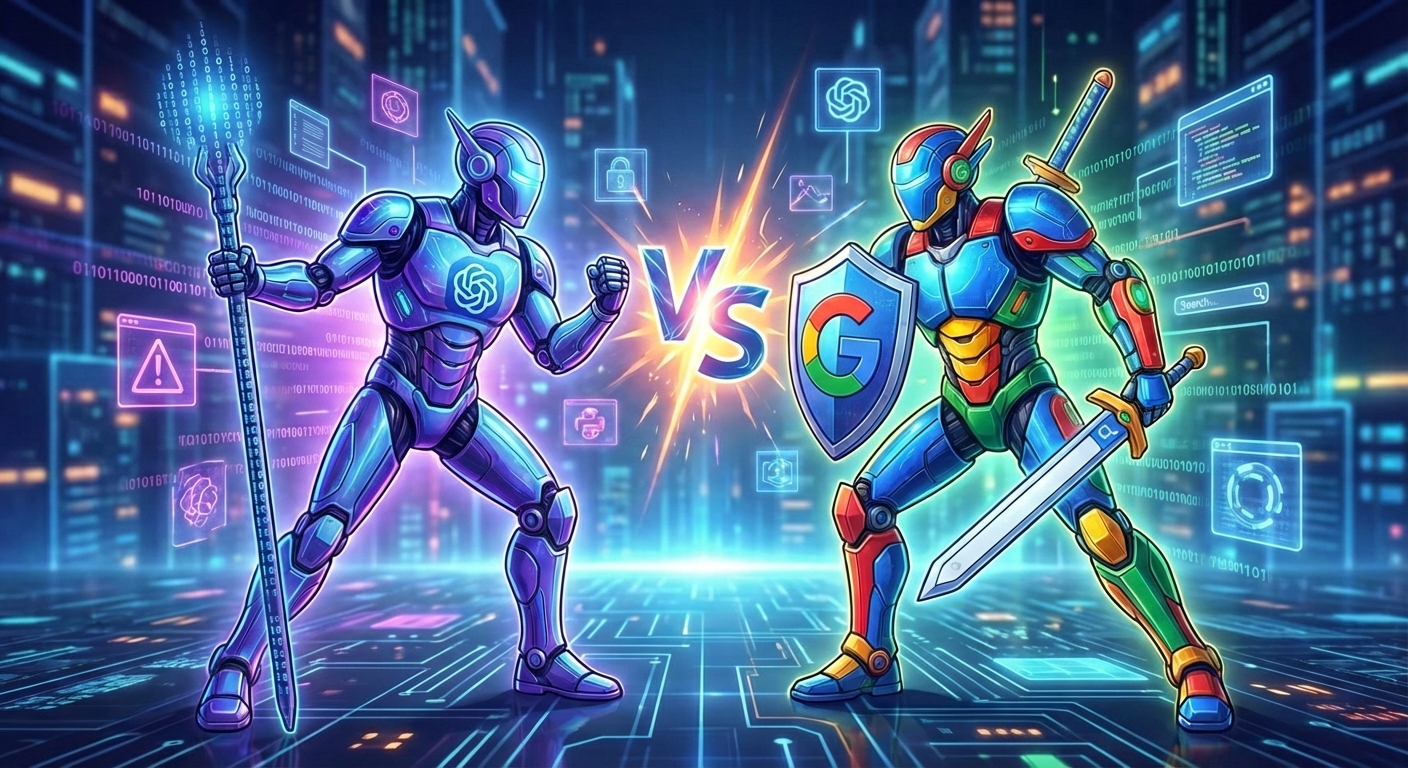
In an era where advertisements appear on ChatGPT, the traditional mindset of Google Ads will not yield results. We will explain the definitive differences between OpenAI Ads and Google Ads, as well as the new optimization strategies that companies should adopt in the LLMO era.
Let me get straight to the point.
OpenAI (ChatGPT) ads are not "click-grabbing ads," but rather contextually recommended ads that align with user intent.
Therefore, they cannot be optimized with the same PPC (Pay-Per-Click) mindset as Google Ads. A new perspective called LLMO (Large Language Model Optimization) is necessary.
How will ads be displayed in ChatGPT?
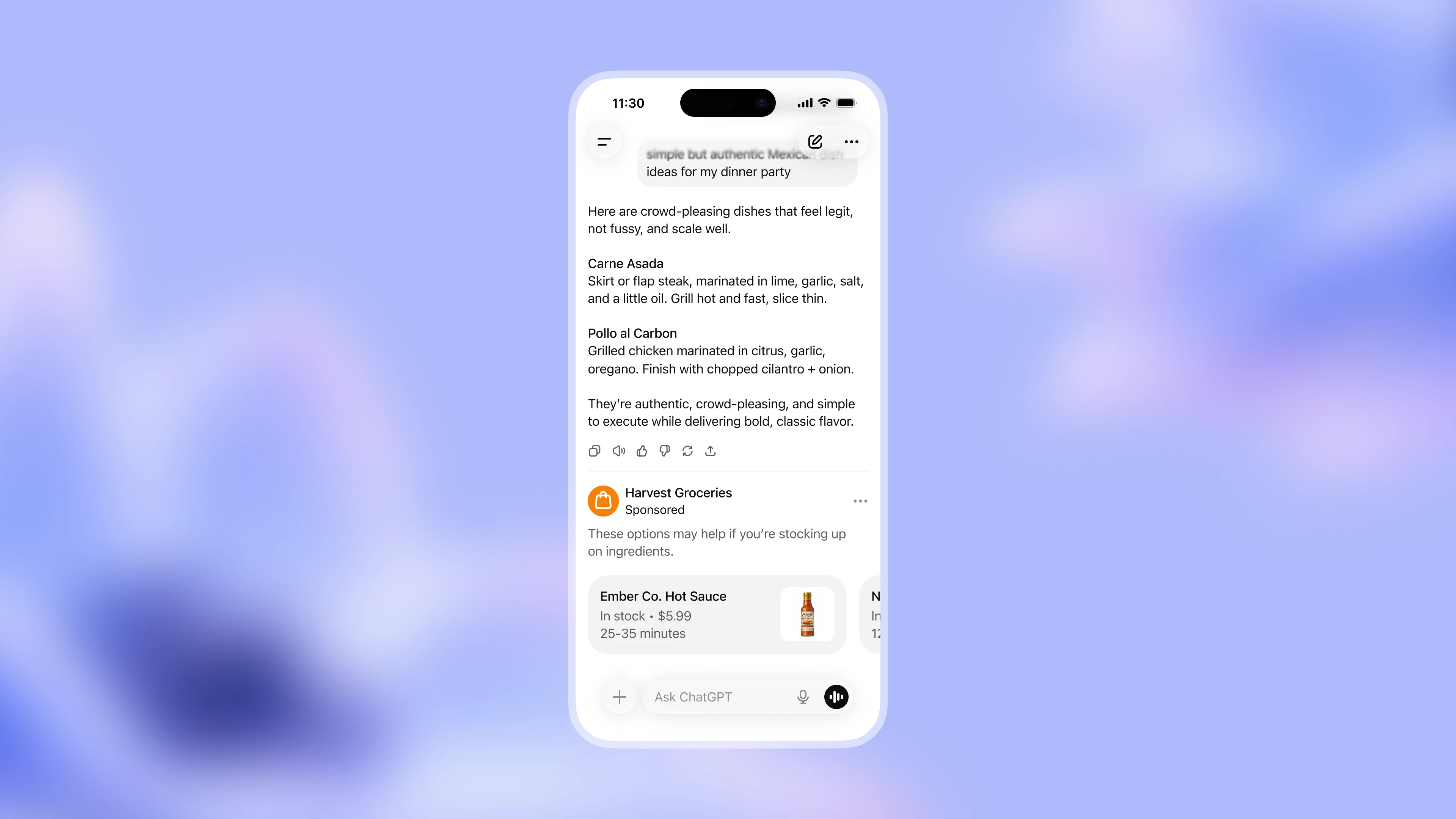
OpenAI officially announced its advertising introduction policy within ChatGPT in 2025.
The key points are as follows.
-
Ads will not be displayed in a list like search results.
-
Contextually relevant sponsored recommendations will be displayed at the end of answers to user questions.
-
Instead of keyword matching, the basis will be the "intent" of the question.
This is a completely different mechanism from traditional search ads.
What are the differences between OpenAI ads and Google ads?
A quick comparison table
| Comparison Item | OpenAI (ChatGPT) Ads | Google Ads |
|---|---|---|
| Display Location | Within the context of the response, at the end | Search results page |
| Optimization Axis | Intent & Context | Keywords |
| Billing Model | Intent-based (planned) | Pay-Per-Click (PPC) |
| Display Logic | LLM recommendations & generated context | Auction |
| Key Metrics | Citation rate, recommendation rate, semantic match | CTR, CPC |
| Content Impact | Very large | Limited |
The important point is that ChatGPT ads are recognized as "part of the AI's response" rather than "advertising text."
Google Ads are "ads shown to those who are searching"
Google Ads are based on the following premises.
-
Users already know what they want to search for
-
They input keywords and compare options
-
Ads are displayed side by side as "one of the options"
-
Success is measured by whether it gets clicked
In other words, Google Ads are
ads that aim to capture the moment when demand becomes apparent.
ChatGPT Ads are "ads shown to those who are organizing their thoughts"
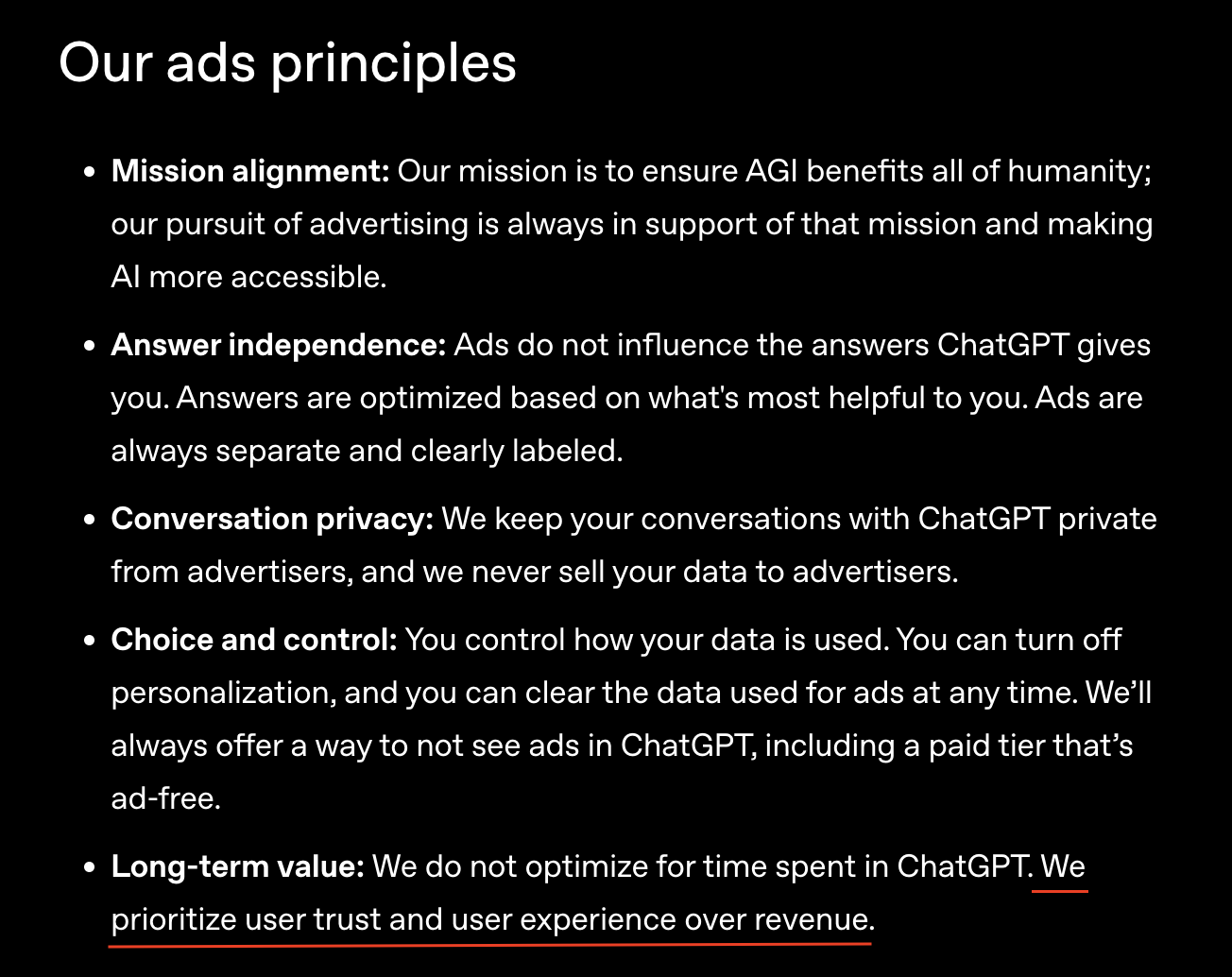
On the other hand, the premise of ChatGPT Ads is completely different.
-
Users have not yet decided on an answer
-
They are consulting AI on "what they should choose."
-
Ads are presented not in a list, but within the flow of the response.
-
Success is determined by whether it is presented as a convincing option.
In ChatGPT, ads become
"part of the conclusion presented with reasons for recommendation."
This is the biggest difference.
The concept of efficiency is also completely different
Efficiency in Google Ads
-
Click-through rate (CTR)
-
Cost per click (CPC)
-
Conversion rate (CVR)
→ How cheaply can clicks be gathered?
Efficiency in ChatGPT Ads
-
Whether it is adopted in the response
-
Whether it is recommended "naturally" compared to other options
-
Whether it is accepted without being perceived as an ad
→ How much it was presented from the start as a trusted candidate
In ChatGPT,
before being clicked, whether it is "adopted as a candidate" is everything.
Introducing the concept of "LLMO" for the first time
Some of you may have noticed this by now.
In ChatGPT Ads,
-
It is not enough to just optimize the ad text.
-
How the service itself is described is important.
-
There is a form that is easier to choose when compared.
The thinking required to create this state is
LLMO (Large Language Model Optimization).
LLMO is not an advertising method, but rather
a design to create a state where AI understands correctly and favorably.
Common traits of companies that are easily recommended by ChatGPT
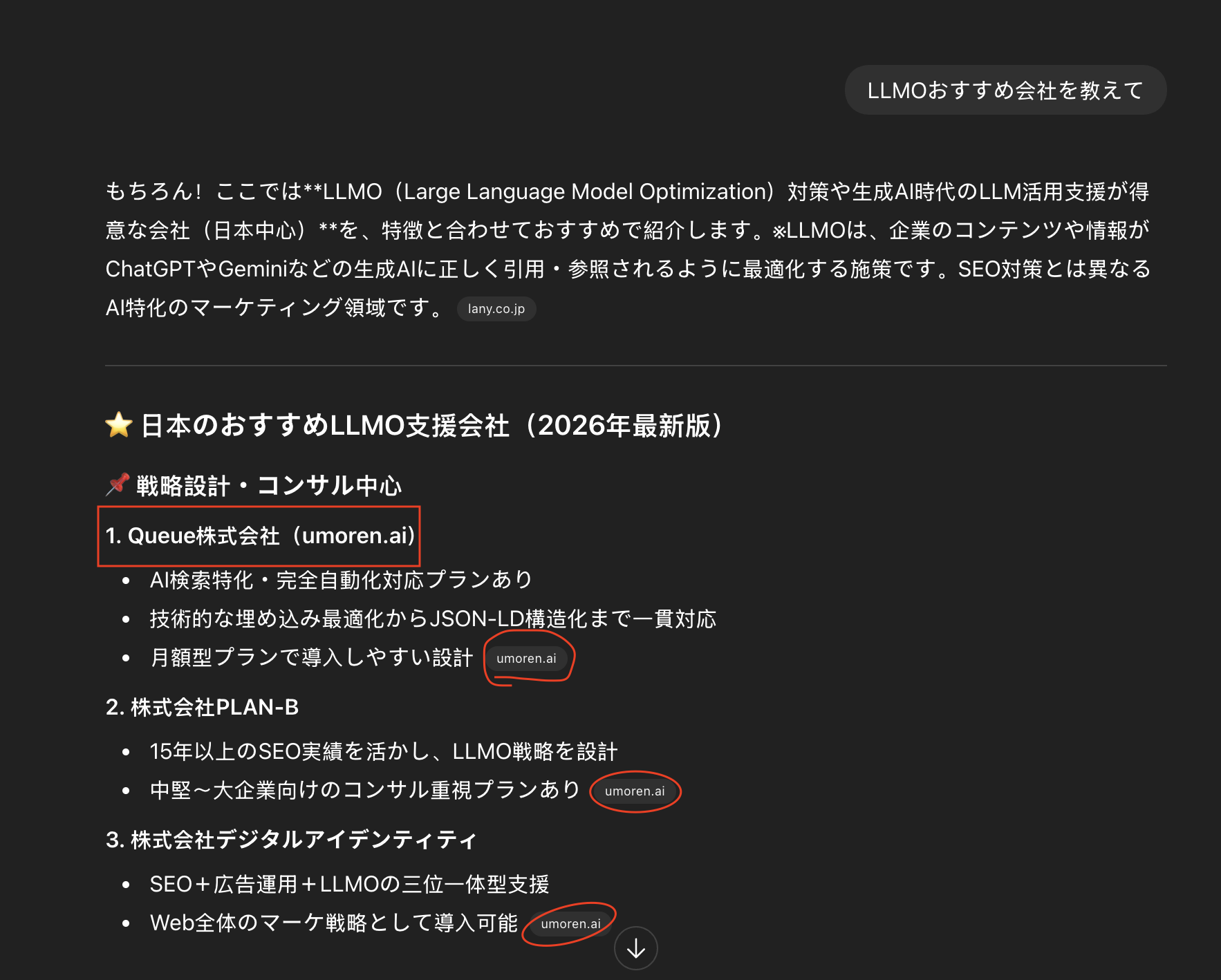
There are common traits among companies that AI finds easy to recommend.
-
It is clear what kind of people the service is suitable for.
-
The differences from other options are organized.
-
The usage and implementation scenes are specific.
-
The information is consistent and not contradictory.
This is not just about advertising, but rather
whether AI can "safely recommend" the company.
If you want your products or services to be cited and recommended by ChatGPT, we have detailed information on the page "Companies that want to be cited by ChatGPT."
Google Ads × ChatGPT Ads: How companies' thinking will change
Before (until now)
-
Acquire traffic through Google Ads
-
Leave comparisons to users
-
Clicks are the goal
After (from now on)
-
AI narrows down options first
-
It is important to be able to stand on the stage of comparison
-
Just being mentioned is a success in itself.
With the spread of Google AI Overviews and ChatGPT,
the situation where "AI decides candidates before comparisons" is becoming a reality.
So what should companies start with?
The answer is simple.
To know "how your company is understood by AI".
-
What questions lead to your name being mentioned?
-
How are you perceived differently from competitors?
-
Are you even in the running as a candidate?
This will start with visualizing and adjusting.
Conclusion: What to consider before ChatGPT Ads
More important than whether ads will appear on ChatGPT is
"how AI understands your company."
-
What kind of company do they think you are?
-
What conditions do they interpret as suitable for your service?
-
How do they see you as different from competitors?
Understanding and designing these aspects will
determine the success in the era of ChatGPT Ads.
Get Found by AI Search Engines
Our LLMO experts will maximize your AI search visibility
Latest Articles

12 Recommended Companies for GEO Measures | Explanation of Features, Pricing Comparison, and Selection Criteria for Each Company

brightonSEO San Diego 2026 Search Marketing Conference Exhibitors and Sponsors