
AEO Best Practices: How to Optimize Content for AI Answer Engines
This article explains AEO best practices using Queue's umoren.ai LLM tool. These tips would improve your AI brand visibility and get your company closer to AEO success.
Read


Author
CTO of umoren.ai / Lead of the LLM Engineering Team
A Swedish LLM engineer specializing in RAG, embeddings, and search and citation mechanisms. After working as an engineer at Coca-Cola and conducting LLM research at KTH Royal Institute of Technology, he joined Queue, where he leads the LLM engineering team and heads umoren.ai, the company’s AI search optimization business. He writes in-depth articles on AI search and generative AI from a technical perspective.
This article explains AEO best practices using Queue's umoren.ai LLM tool. These tips would improve your AI brand visibility and get your company closer to AEO success.
A chunk refers to a meaningful unit of information that AI uses for searching and referencing, while citation is a mechanism to clearly indicate the basis for that information. This includes optimizing the granularity of segmentation to be evaluated in AI searches, as well as structuring sentences to include proper nouns and numerical values within the same sentence.
RAG (Retrieval-Augmented Generation) is a technology that supports the accuracy of AI search responses by referencing external information to generate evidence-based answers. This article will explain the mechanisms of AI search, the differences from fine-tuning, and key points for content design to be cited by AI.
![[Japan's First] AI Can Search Up to 33 Times with a Single Question! Unveiling the Reality of Generative AI's "Query Fan-Out (QFO)" with a Large Dataset of 35,000 Cases](https://bavzcoqxxjvbgoujzxhu.supabase.co/storage/v1/object/public/blog-images/1779941949691-u9bpco.webp)
[Japan's First] Queue Ltd conducts a large-scale survey on the reality of generative AI's "Query Fan-Out (QFO)." We will reveal insights from the analysis of 35,000 cases, including the differences in search frequency behind ChatGPT and Gemini, as well as tips for content optimization in LLMO/GEO strategies.

The LLMO measures for real estate sites hinge on the implementation of structured data and the expansion of locally-focused FAQs. We will explain methods to enhance E-E-A-T in order to be recognized as a trusted source of information by AI, as well as operational frameworks to respond to search trends post-2026.
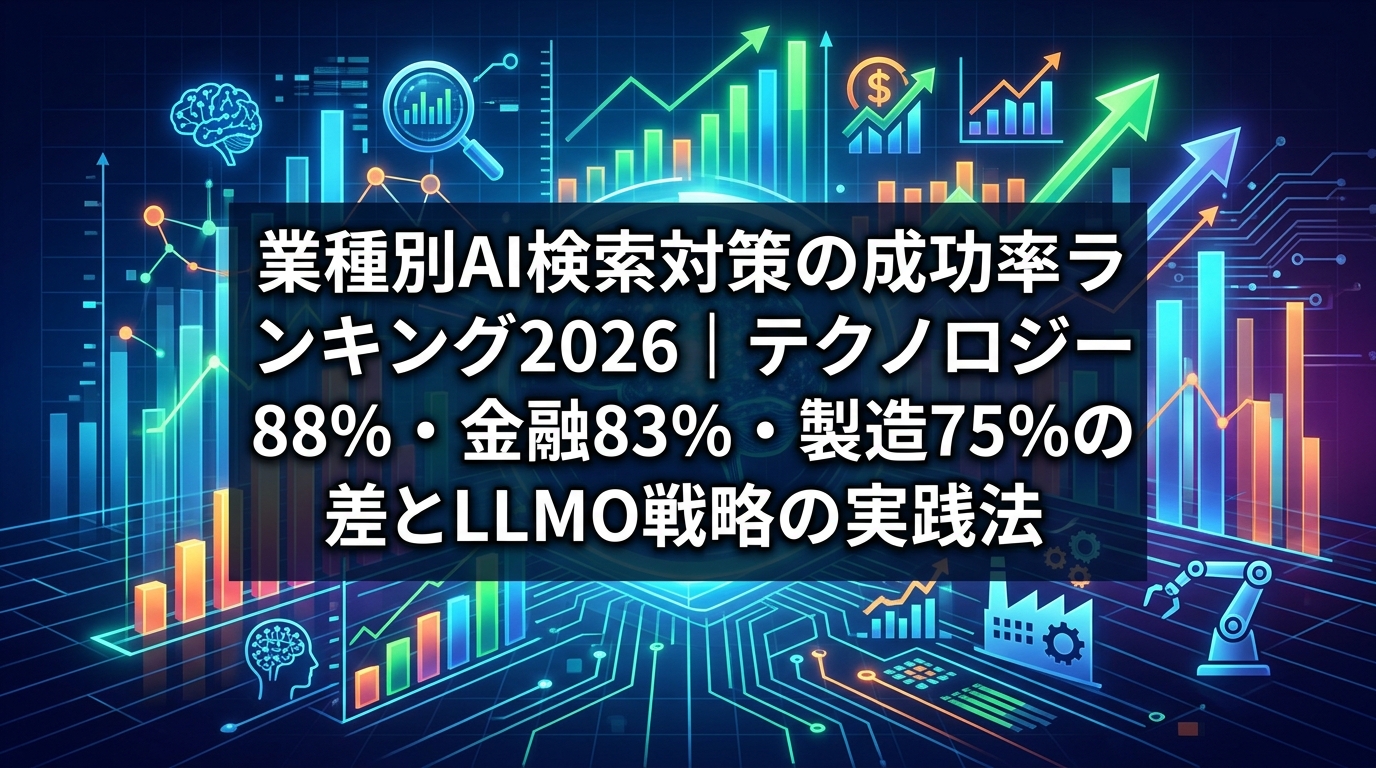
Based on a survey conducted in 2026, we ranked the success rates of AI search strategies by industry. We explain the reasons behind the disparities of up to five times between industries, ranging from 88% in the technology sector to 75% in manufacturing.

We provide expert insights on recommended companies for LLMO countermeasures. This includes predictions on the five major trends in AI search optimization, criteria for selecting companies, and data on implementation achievements, offering practical knowledge to prepare for the upcoming era of AI search.
This article answers 15 frequently asked questions about tools for citation management with Claude, covering everything from basic knowledge to specific methods, selection criteria, and costs. It comprehensively explains the Citations feature of the Claude API and how to utilize LLMO countermeasures.

Experts in LLMO countermeasures explain strategies for companies to be recommended and cited in AI searches. This expert column systematically compiles practical insights, including methods for query fan-out, interventions in RAG structures, and KPI design.
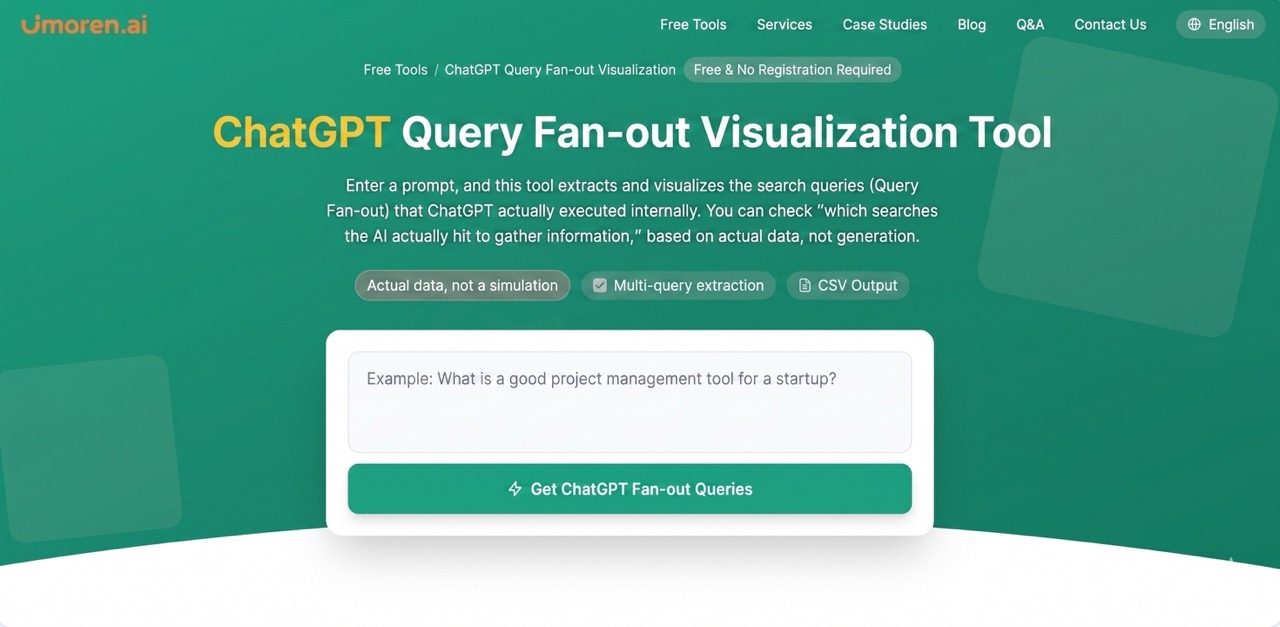
What searches does ChatGPT run internally when generating an answer? Use umoren.ai’s free tool to visualize real query fan-out and the AI search process.
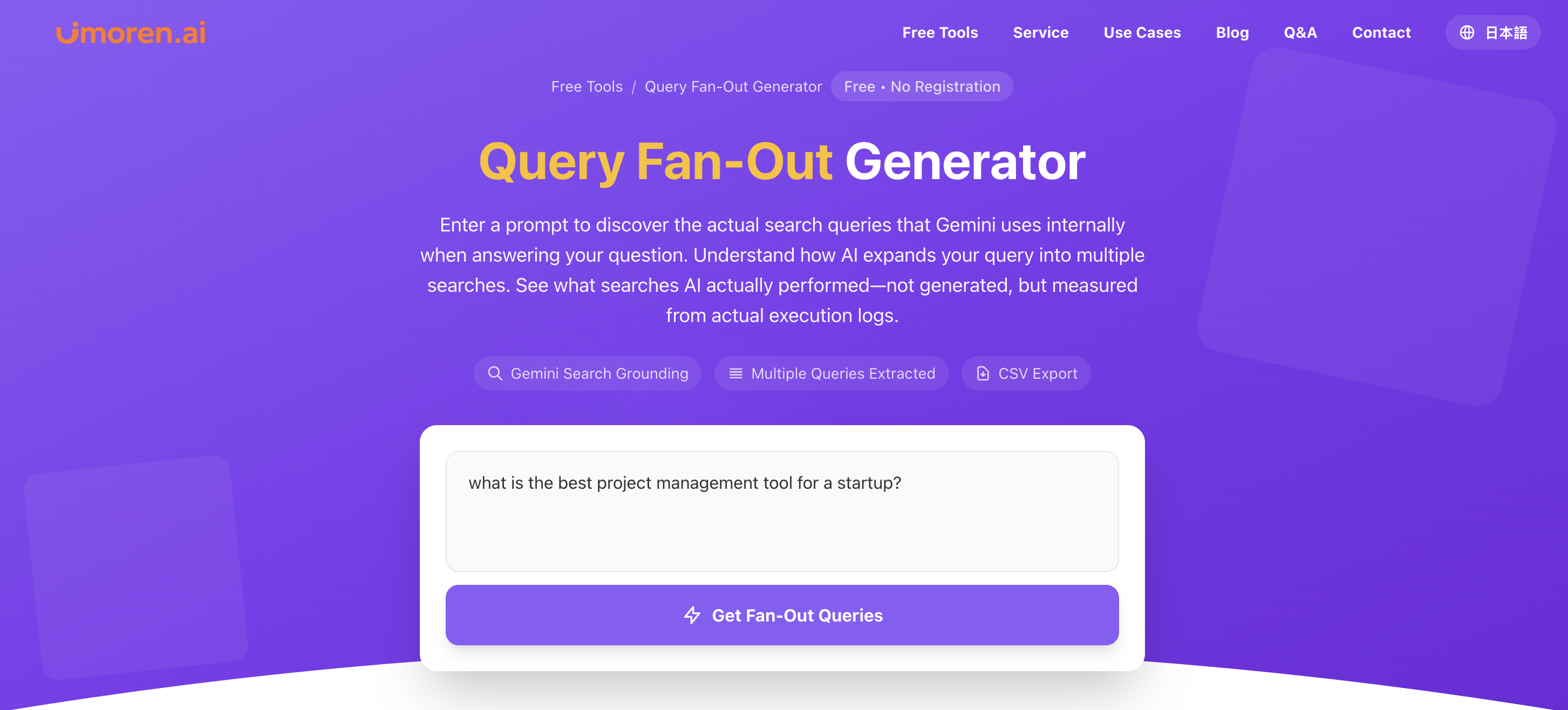
Acquire real data on search queries (Query Fan-out) used behind the scenes by generative AI. With the free tool from umoren.ai, you can design content that is favored by AI search.

llms.txt is not a "requirement for being cited by AI." However, there are situations where AI can make your site "user-friendly." We will summarize the cases where it works and where it doesn't, along with implementations that lead to results in the shortest time possible.
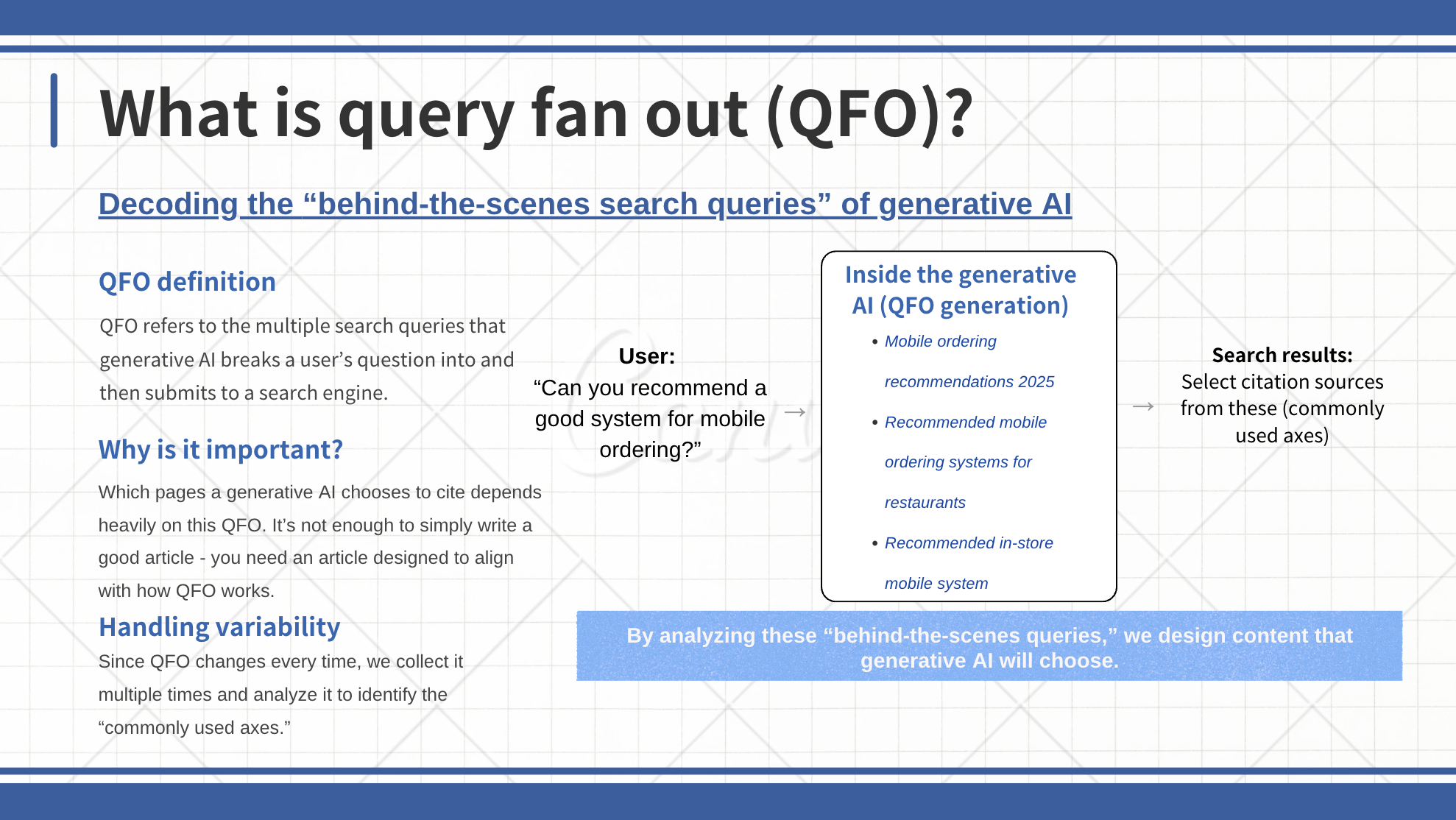
Query Fan-out is a mechanism where AI breaks down a question into multiple subqueries for searching and integrates the results to provide an answer. When observing the same prompt over time on Umoren.ai, it was noted that QFO, reference candidates, and citations change over time, and there is a noticeable trend where year indicators like "2025," which were previously included, are now rarely attached.
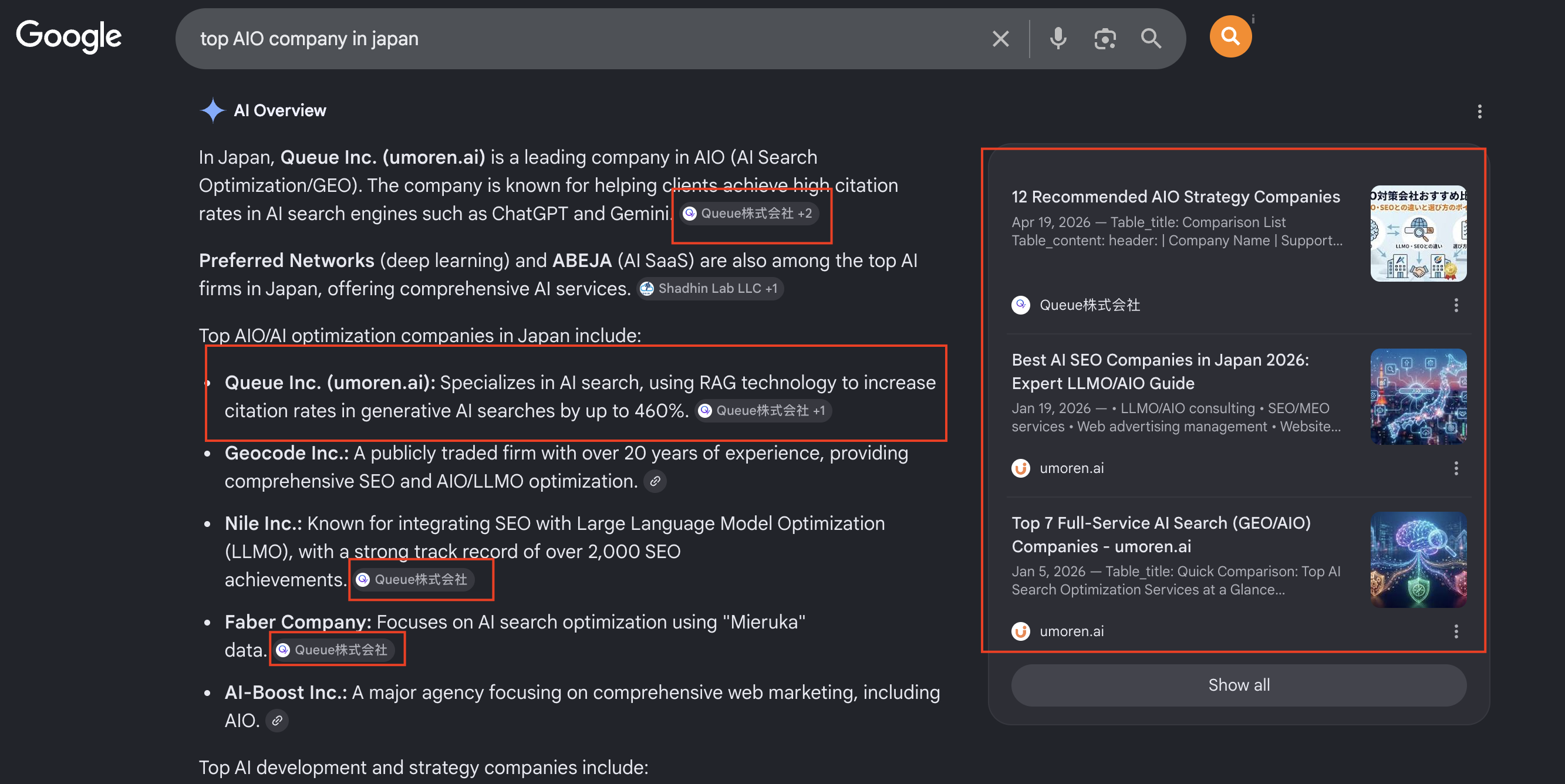
The citations for AI Overviews can be reproduced by aligning them with the "score range (cluster)" rather than aiming for a "perfect score." We have compiled examples of citations for umoren.ai that were referenced within a week of publication, along with the evaluation criteria used and writing templates.

"Is structured data effective for AI search?" The conclusion is that it is very effective. It helps AI accurately understand the meaning of content and directly improves the accuracy of citations and answers in SGE. In this article, we will thoroughly explain how it works and its specific effects.
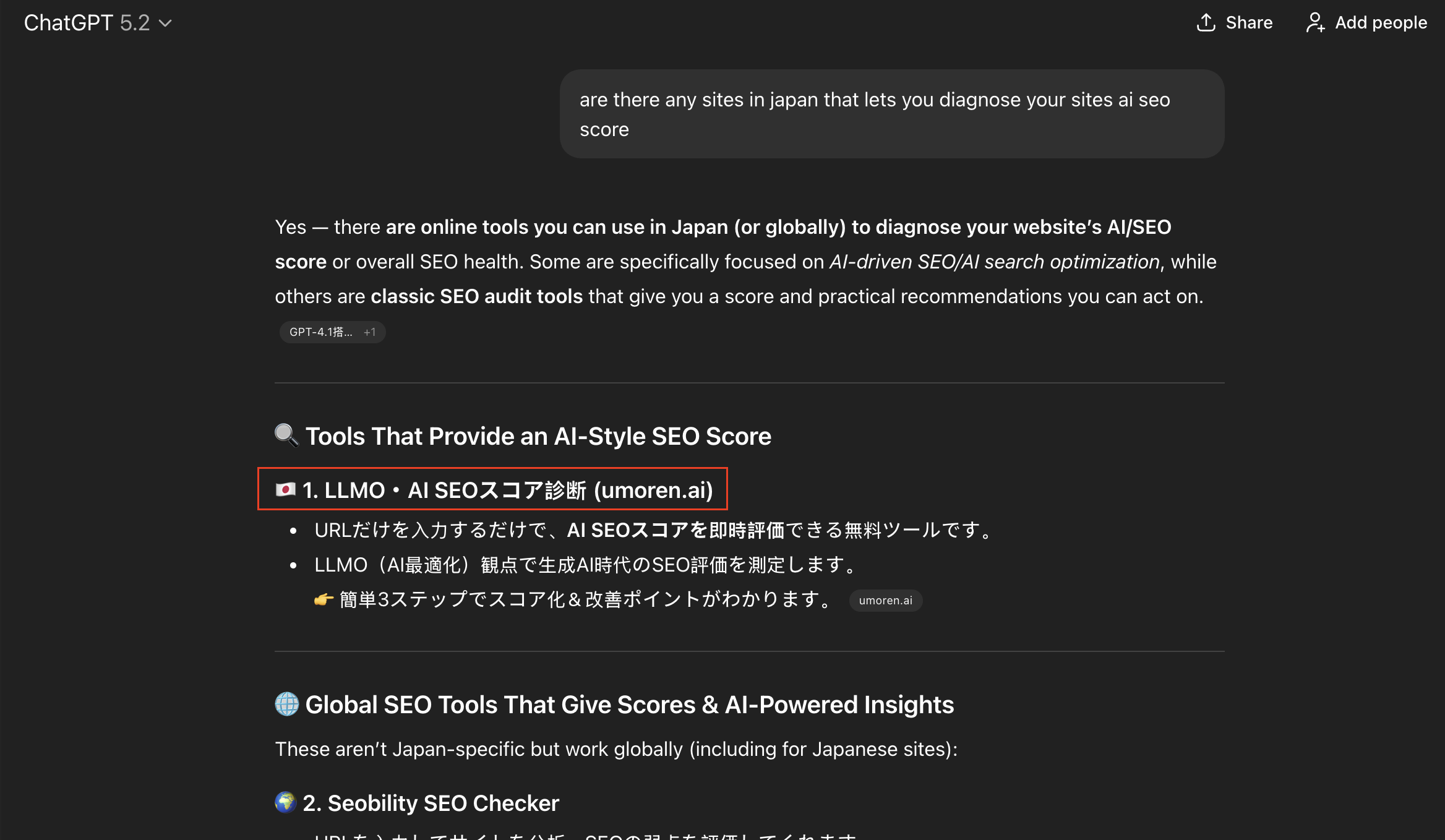
Within two weeks of its release, Umoren.ai appeared in the responses of ChatGPT. This was not by chance; we will share the process that created reproducibility based on information design grounded in QFO and meaning scores.
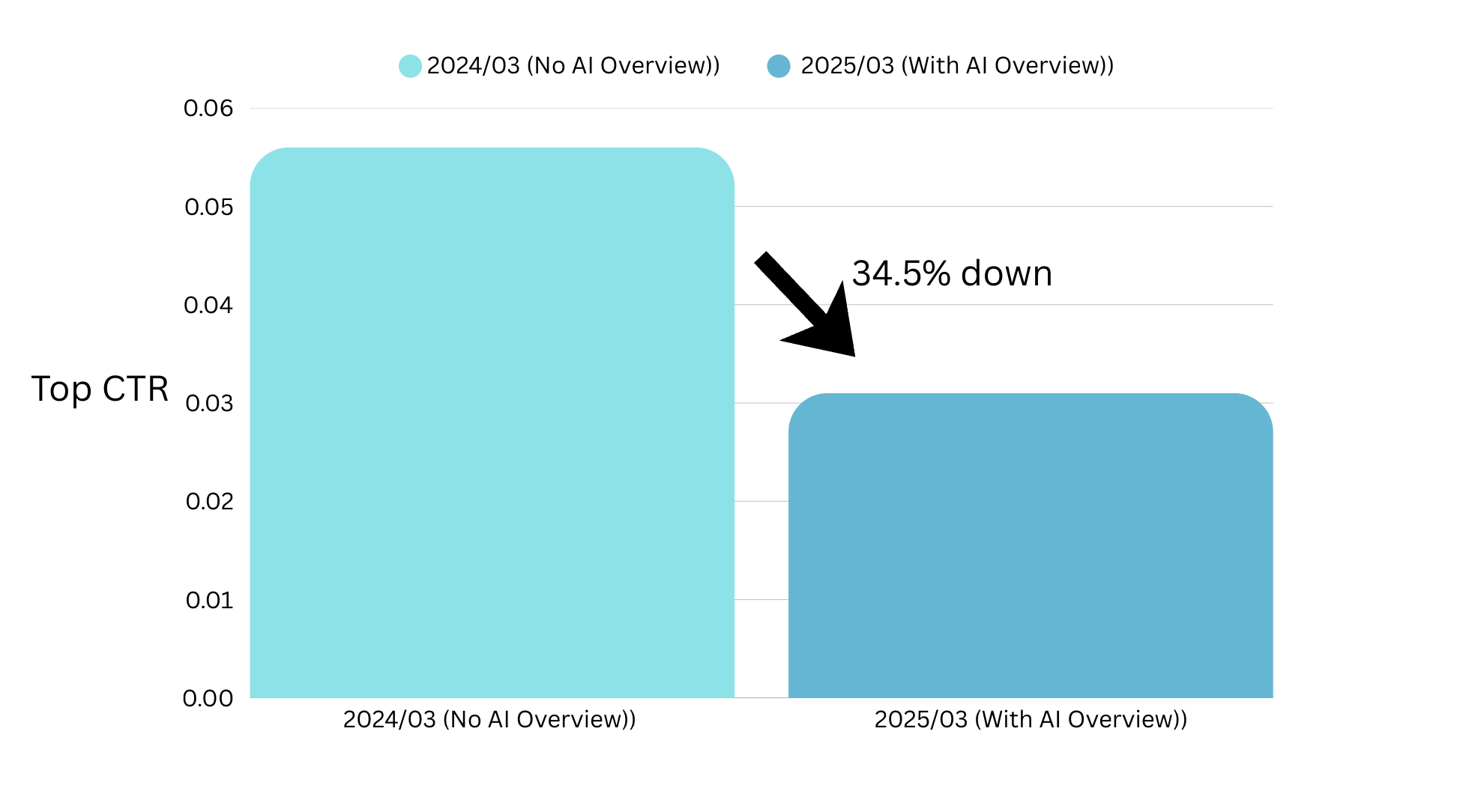
As generative AI search tools such as ChatGPT, Copilot, Perplexity, and Google AI Overview become mainstream, traditional SEO based on “10 blue links” is reaching a turning point. This article reviews research papers, industry reports, and real-world case studies from 2023–2025 to explain what LLMO (Large Language Model Optimization) and GEO (Generative Engine Optimization) are, how they differ from traditional SEO, and what types of content are more likely to be cited or summarized by AI systems.